British Post Office in Ireland
The story of the British Post Office in Ireland is more than just one of letters and parcels—it is a window into the island’s colonial past, its social fabric, and the evolution of communication during turbulent times.
Colonial Beginnings
The formal postal system in Ireland under British administration began to take shape in the 17th century. Initially designed to serve government and military correspondence, the network soon expanded to include ordinary citizens. Post offices were often located in prominent town centers, symbolizing not only efficiency but also imperial presence.
Hubs of Communication and Control
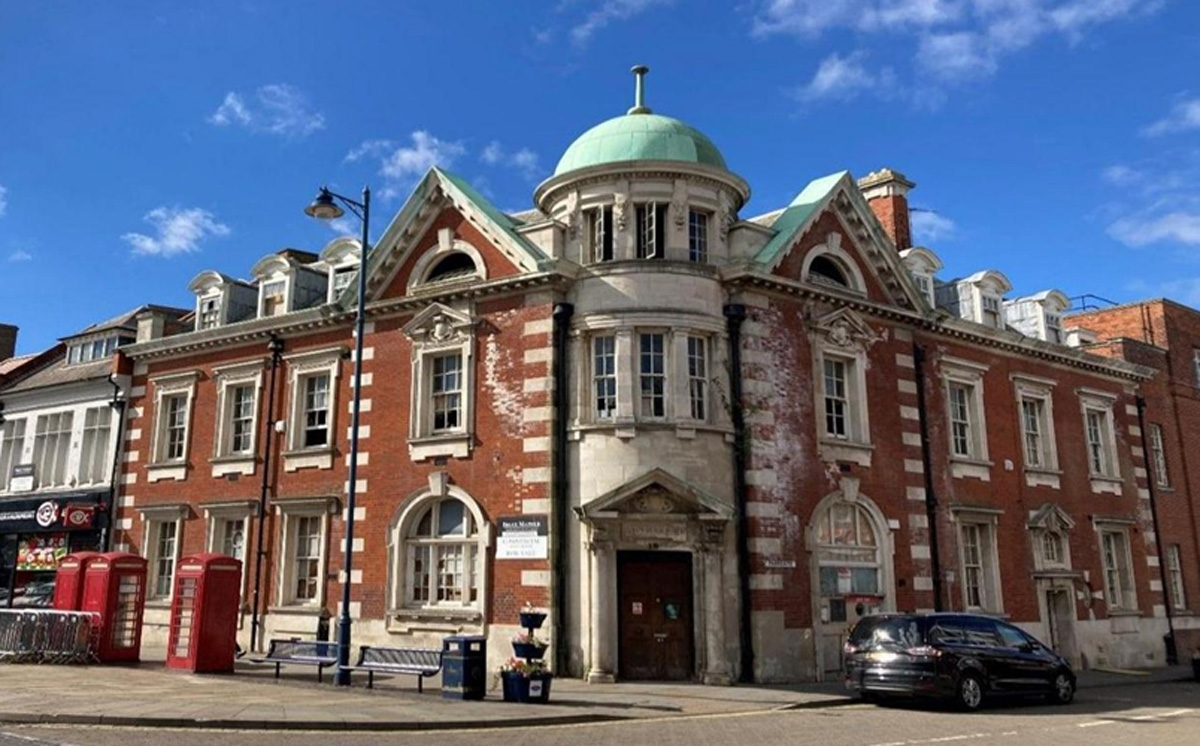
By the 19th century, the British Post Office had become an essential institution in Ireland. Beyond mail delivery, these post offices served as administrative hubs—collecting taxes, handling telegraphs, and reinforcing the reach of British governance. Their standardized red post boxes, still visible in parts of Ireland today, remain iconic reminders of this era.
A Social Lifeline
For many Irish communities, especially in rural areas, the local post office was more than a government building. It was a gathering place where news, personal letters, and international connections shaped daily life. The flow of emigrant letters from America, Australia, and Britain itself became lifelines for families separated by oceans.
Symbol of Colonial Authority and Resistance
While post offices provided vital services, they also stood as visible markers of British authority. During periods of nationalist struggle, such as the late 19th and early 20th centuries, the post office became both a tool of surveillance and a target of resistance. The 1916 Easter Rising saw rebels take over Dublin’s General Post Office (GPO), transforming it into a revolutionary symbol that endures in Irish memory.
Legacy Today
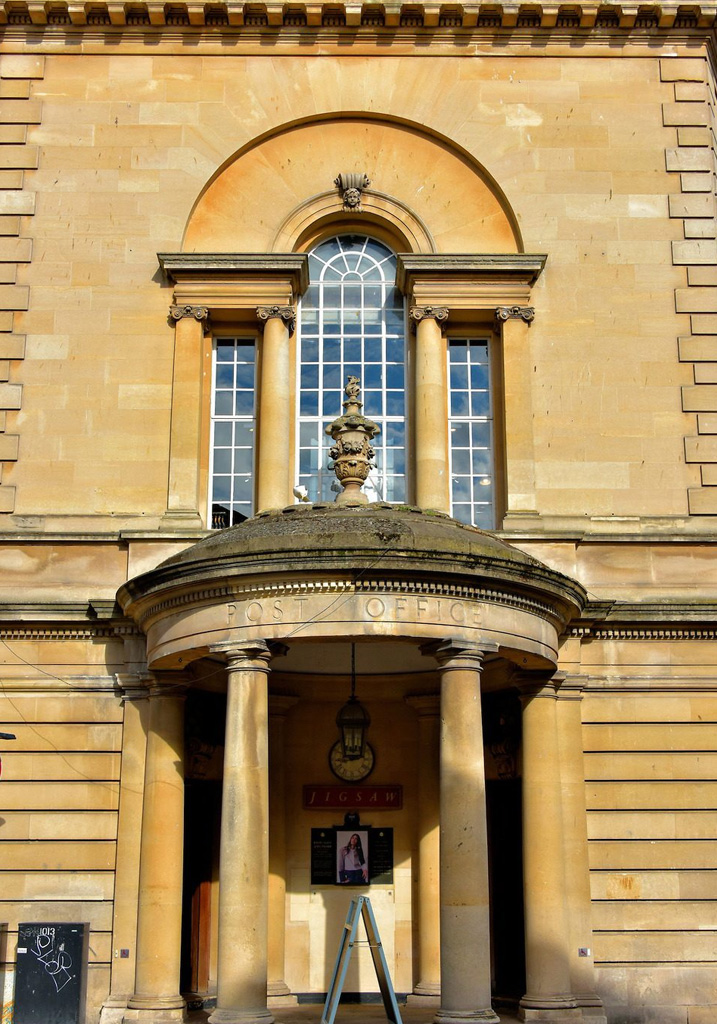
The British Post Office in Ireland left behind a mixed legacy—an infrastructure of communication that modernized society, but also a reminder of colonial rule. Today, many historic post office buildings still stand, their architecture and stories continuing to echo Ireland’s complex past.
A small river named Duden
A small river named Duden